Social media platforms change their rules, algorithms and audiences without warning. A list of people who have agreed to receive email from you does not depend on any of that. It is a direct line to customers and potential customers, and for many small businesses it becomes one of the most dependable ways to bring people back.
The challenge is getting people on to the list in the first place, and doing it the right way. In Canada that means thinking about consent from the start. This guide covers practical ways to grow a list that is genuinely useful.
Start with consent, not tricks
Canada's anti-spam law, commonly called CASL, sets rules for sending commercial electronic messages, including marketing emails. In general, you need consent to send them, you must identify yourself clearly and you must give people a working way to unsubscribe. Guidance from the CRTC has made clear that consent must be a positive action by the person, so a box that is already ticked is not the way to collect it. The rules have details and exceptions, so read our guide to email marketing and CASL and check the official guidance before you start. This post is general information, not legal advice.
Keep a record of when and how each person agreed. It is also good practice to keep your promises: if someone signs up for a monthly newsletter, do not start sending daily offers.
Decide what people get in return
People are protective of their inbox, so a sign-up needs a reason. Think about what your best customers would find useful, and offer that. The reward does not have to be a discount, although for retailers and restaurants it often works well. Other ideas include:
- A short, practical guide related to your service, such as a seasonal home maintenance checklist from a contractor.
- Early access to new products, events or booking slots.
- A useful tool, template or recipe.
- A regular newsletter with local tips, news and stories that people look forward to.
- Reminders that help customers, such as service reminders for the next season.
Be specific about what subscribers will receive and how often. "Get a monthly email with new arrivals and local events" sets a clearer expectation than "Join our newsletter".
Place sign-up forms where people will see them
A form tucked away in the footer will collect few addresses. Consider a few well-chosen places:
- Your home page: a simple form near the top or the bottom of the page.
- Blog posts and guides: a short invitation at the end of helpful articles, when readers have just found value.
- Your contact and booking pages: an optional, separate tick box for people who also want updates, which they have to choose themselves.
- A dedicated landing page: useful for linking from social media, ads and printed material. Our guide to landing pages for small business campaigns explains how to build one.
- In person: a sign-up sheet or tablet at the till, event or front desk, with clear wording about what people are agreeing to.
Keep the form short
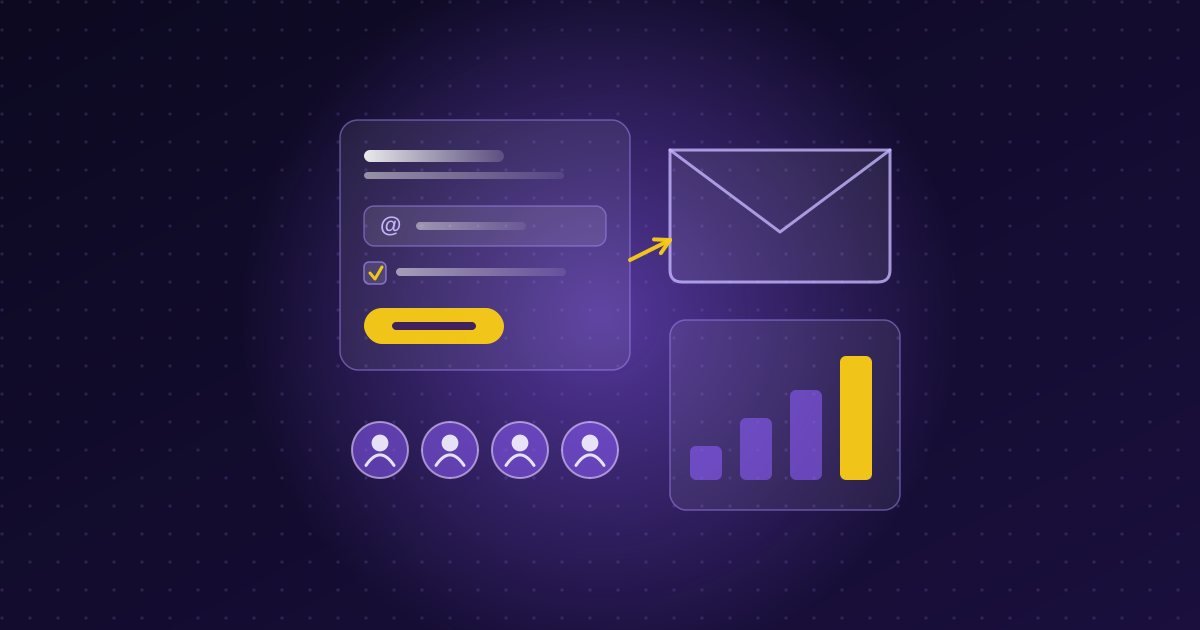
An email address, and perhaps a first name, is usually enough. Every extra field reduces the number of people who finish. Add a short line near the button explaining what people will receive and how to unsubscribe. A link to your privacy policy helps build trust, and our overview of website privacy policies in Canada explains what to include.
Use QR codes and printed materials
For businesses with a physical presence, a QR code on a counter card, receipt, flyer or window sign can bring in subscribers. Link it to a simple mobile-friendly sign-up page, and test it on a phone before printing. Make sure the page says clearly what people are signing up for. Our guide to marketing for local retail stores includes more ideas for connecting in-store visits with online follow-up.
Welcome new subscribers properly
The first email matters. Send a welcome message soon after sign-up, thank people, deliver anything you promised and explain what to expect. Keep it short and friendly. A welcome email is also a chance to invite people to reply with a question, which starts a real conversation.
Send something worth opening
A list is only valuable if people read what you send. Stick to a schedule you can maintain, whether that is monthly or every two weeks, and make each email useful. Our post on email newsletter ideas for small businesses offers plenty of starting points. If people stop opening, consider whether the content, the timing or the frequency needs to change.
Make unsubscribing easy
Every marketing email needs a clear way to unsubscribe, and requests should be honoured promptly. It is tempting to see unsubscribes as failures, but a smaller list of interested people performs better than a large one of people who are ignoring you. Keep your list clean by removing addresses that bounce.
Avoid buying lists
Buying or renting email lists is a poor idea. The people on them have not agreed to hear from you, it can put you at odds with Canadian rules and it tends to damage your sending reputation. A slower, consent-based list is worth far more.
Measure what is working
Track how many people subscribe, where they came from and how many open and click your emails. Knowing which forms and offers bring in the most subscribers tells you where to put more effort. Our guide to tracking where your enquiries come from explains simple ways to do this.
Segment as you grow
Once your list reaches a few hundred people, it helps to keep simple notes about their interests or location, as long as you have collected that information openly. A business with several locations might let subscribers choose the branch they use, and a retailer might let people choose between updates about new products and updates about events. Relevant emails perform better than generic ones, and they reduce the chance that people unsubscribe because the content does not apply to them. Start small, and add only the categories you will actually use.
If you would like help planning sign-up forms and a content approach that fits your brand, you are welcome to get in touch for a free conversation.