Many small businesses start a newsletter with good intentions, send two or three emails, and then run out of things to say. The problem is rarely a lack of material. It is usually a lack of a plan. Once you know what a newsletter is for, who it is written for, and what a reliable routine looks like, ideas become much easier to find.
Email is also one of the few marketing channels where you speak directly to people who have already said they want to hear from you. You do not depend on a social media algorithm to decide who sees your message. That makes a modest, steady newsletter a sensible investment for a local business, as long as it is done thoughtfully and within Canadian rules.
First, a quick word on consent
Canada's anti-spam law, usually called CASL, applies to commercial electronic messages. The CRTC summarizes the main requirements as getting permission from the recipient before sending, clearly identifying who you are and how to contact you, and including an unsubscribe mechanism that works. Only email people who have agreed to hear from you, keep a record of how and when they agreed, and honour unsubscribe requests promptly. Our guide to email marketing and CASL covers the details, and the rules are worth reading carefully before your first send. This is general information, not legal advice.
Decide what your newsletter is for
Before thinking about topics, choose one main purpose. A newsletter that tries to do everything usually ends up being skimmed and ignored. For a local business, the useful purposes tend to be keeping past customers in mind, helping people choose and use what you sell, announcing news and seasonal offers, or building a reputation as someone who knows your field. Pick the one that matters most right now, and let it guide what you include.
Ideas for what to write about
Here are ideas grouped by the kind of value they give the reader. You do not need all of them. Two or three that suit your business, rotated through the year, are plenty.
Be useful
- Answer a real question. Think of the questions customers ask you most often. Each one is a newsletter. A short, clear answer is genuinely helpful and shows your expertise.
- Seasonal reminders. In Nova Scotia, the seasons shape what people need. A trades business might remind readers to prepare for winter. A restaurant might share what is on the seasonal menu. Timely tips tend to get attention because they are relevant right now.
- A simple how-to. Walk the reader through a small task in a few steps, such as how to prepare for a consultation or how to look after what you sold them.
- Mistakes to avoid. Customers appreciate honest advice about common pitfalls in your field.
Be personal
- Behind the scenes. Show how your work is done, or introduce a team member. People enjoy seeing the humans behind a business.
- Project spotlights. Describe a recent job or project, with permission from the customer if they are involved, and what you learned from it.
- Community news. If you sponsor a local team, volunteer, or take part in a local event, share it. Local readers appreciate businesses that contribute to the community.
Be timely
- Announcements. New services, changed hours, holiday closures, and new locations belong in a newsletter. They are practical and expected.
- Offers and bookings. If you have availability or a seasonal promotion, say so plainly and make it easy to act on. Keep offers occasional so that they feel special.
- Event invitations. Open houses, workshops, and pop-ups are a natural fit for email.
Be a curator
- Share something worth reading. A short roundup of useful local resources or articles, with a sentence on why each is worth the reader's time, positions you as a helpful guide.
- Reader questions. Invite replies and answer a few in each issue. It also tells you what your customers are thinking about.
A simple structure for each issue
A newsletter does not need to be elaborate. A reliable shape makes it faster to write and easier to read:
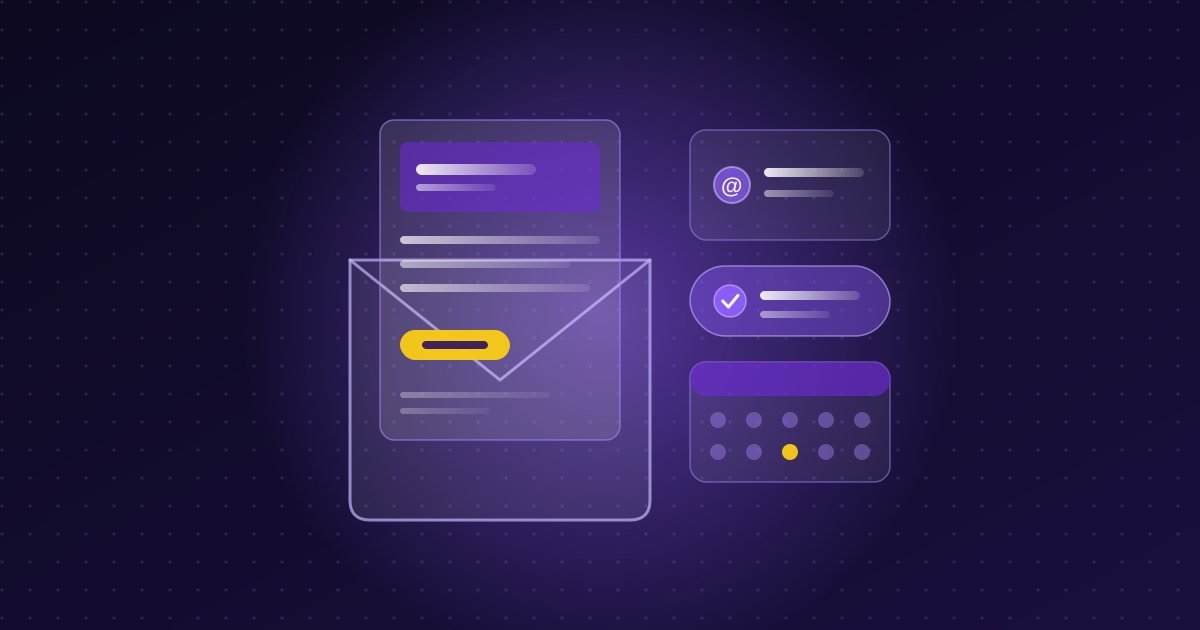
- A clear subject line. Say what is inside in plain words. Curiosity can work, but being clear works more reliably and avoids disappointing readers.
- A short opening. One or two sentences in a friendly, personal tone.
- One main item. Give the issue a single focus. If you have more to say, link to it on your website.
- One clear action. A single button or link, such as reading the full article, booking a time, or replying.
- Your details and an unsubscribe link. Include your business name, contact information, and a working way to opt out.
Build a routine you can keep
Consistency matters more than frequency. A newsletter sent monthly and kept up for a year is far better than weekly emails that stop after six weeks. Choose a rhythm you can honestly maintain, and put the send date in your calendar. Many small businesses find that a monthly email, or one every second week, is realistic.
Batch your work. Spend an hour at the start of the month listing the next three or four topics, using questions customers have asked recently. Then write each issue in one sitting. If you already plan your social media, our guide to building a content calendar can be adapted for email as well, so the same idea can appear in a post, a blog article, and a newsletter.
Grow your list the honest way
The best subscribers are people who chose to be there. Add a sign-up form to your website, mention the newsletter at the counter or on invoices, and explain what readers will get and how often. Avoid buying email lists or adding people who never agreed to receive messages. Not only does it risk breaking the rules, it tends to produce an unengaged audience.
Look at a few simple numbers
Most email platforms report how many people opened each message and clicked each link. Treat these as rough guides rather than exact measures, since open tracking is not perfectly reliable. Look for patterns over several issues. Which topics get the most clicks? Which subject lines are opened more often? Which messages prompt replies or bookings? Use what you learn to do more of what works.
Keep it consistent with your brand
Your newsletter is an extension of your brand, so use the same colours, logo, and tone of voice as your website. A consistent look helps readers recognize you at a glance. If you would like help with design or with building the pieces that go around email, such as a clear sign-up page, you are welcome to get in touch for a conversation.