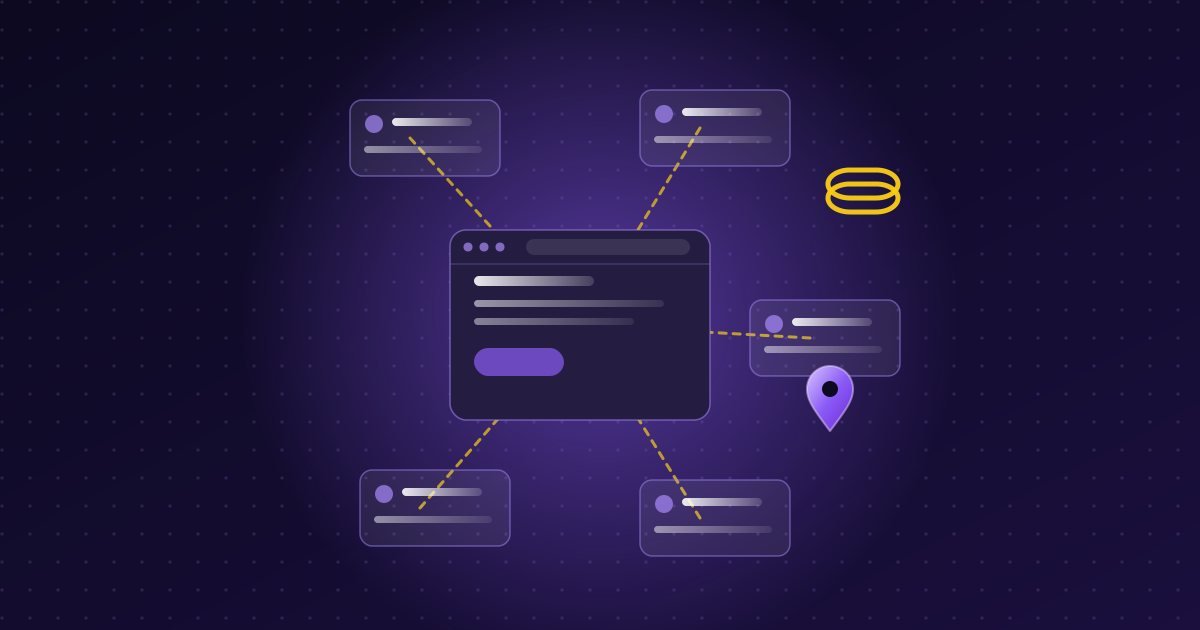
A backlink is simply a link from another website to yours. Search engines have long treated links as a kind of vote of confidence: if other trustworthy sites point to a business, it is probably real and worth knowing about. For a local business, the most useful links often come from other local sources, such as a chamber of commerce, a neighbourhood association, a supplier or a community event page.
Link building has a bad reputation because of spammy tactics, and you should avoid those. But earning genuine local links is something small businesses are naturally well placed to do, because you already have relationships with real organizations in your community. This guide shows where to look and what to steer clear of.
Why local links matter
Links help search engines discover your site and judge how credible it is. A link from a relevant local organization also carries a second benefit: it is a signal tied to a place. When a Halifax business association lists your business, it reinforces that you operate in Halifax. And a link can send actual visitors your way, since people do click on member directories, event pages and local news stories.
Quantity is not the goal. A handful of links from relevant, genuine sources are worth more than hundreds from low-quality directories. Google has also published guidance against link schemes, which include buying links or swapping them in large, artificial networks, so shortcuts can do more harm than good.
Start with the relationships you already have
The easiest links come from people who already know you. Make a list of every organization you are connected to, then check whether each one has a website where your business could be mentioned.
- Chambers of commerce and business associations: membership usually includes a directory listing, often with a link to your site. The Halifax Chamber of Commerce, for example, maintains an online member directory. Many other regions and industries have equivalents.
- Business improvement districts and neighbourhood groups: if you operate in a commercial district, the local association may list member businesses on its site.
- Suppliers and manufacturers: many suppliers have "where to buy" or "our partners" pages. If you resell or install their products, ask to be listed.
- Industry bodies and professional associations: member directories and find-a-professional pages often link to member websites.
- Clients and partners: a business you have worked with may be happy to mention the collaboration, especially if you do the same for them.
Be part of the community and be mentioned for it
Sponsoring a local youth team, supporting a charity event or volunteering your skills often leads to a mention on the organizer's website. Do this because it is good for the community, not only for the link. If you do sponsor or support something, check how the organization will credit you and whether it links to your site. Avoid asking for a link as a condition of every act of goodwill; a polite request is enough.
Hosting or taking part in an event can also bring coverage: a workshop at your shop, a booth at a local market or a talk to a community group. Event listings on community calendars and local news sites sometimes link to the businesses involved. Our guide to marketing for seasonal and tourism businesses has more ideas for connecting with local events.
Give people a reason to link
The most sustainable links come from content worth referencing. A local business can create genuinely useful resources: a plain-language guide to a process in your trade, a seasonal checklist for homeowners in Nova Scotia, a directory of local walking routes if you run a bed and breakfast, or answers to the questions your customers ask most. Other websites, from neighbourhood blogs to community groups, link to pages that help their audience.
The key is usefulness and local relevance. A thorough, accurate page on something specific to your region is far more link-worthy than a generic article that already exists a thousand times online. This overlaps with the approach in our post on writing content that AI search tools can quote, since pages that answer questions clearly tend to be cited more often.
Local media and community publications
Local newspapers, community websites, radio stations and newsletters regularly look for stories. If you have something genuinely newsworthy, such as a new location, a notable milestone, a charity initiative or an expert perspective on a seasonal topic, a short, clear message to the right editor can lead to coverage. Be specific about why the story matters to their readers, and do not expect every pitch to be published. Never invent a story, and never overstate what your business has achieved.
Keep your listings consistent
Directory listings and citations are related to links, though they work a little differently. The goal there is accuracy: the same business name, address and phone number everywhere. We cover that in our post on local citations and NAP consistency. Make sure your Google Business Profile links to the right page on your website as well.
What to avoid
Do not buy links, join link exchange schemes or pay for packages promising hundreds of backlinks. They are against search engine guidelines, rarely come from genuine local sources and can leave your site worse off. Avoid posting identical comments with your link on blogs and forums, and be wary of low-quality directories that accept anyone for a fee. If a link could not plausibly send a real person to your business, it is probably not worth having.
Keep track and be patient
Keep a simple list of the organizations you contact, who you spoke to and what happened. Google Search Console includes a report of sites linking to yours, which lets you see new links over time. Our beginner's guide to Search Console explains where to find it. Earning links is gradual work, and no one can promise a specific ranking from it, as we describe in how long SEO takes to work. Link building also works best when your website itself is strong, so check the basics in our local SEO checklist first.
If you would like help building a website and online presence that other local organizations are glad to point to, you are welcome to get in touch for a free conversation.